
 Facial Aesthetics
  Body Contouring
  Skin Rejuvenation
  Eye & Eyelid Surgery
  Mummy Makeover
  Obesity Treatment
  Dental Aesthetics
  Hair Transplant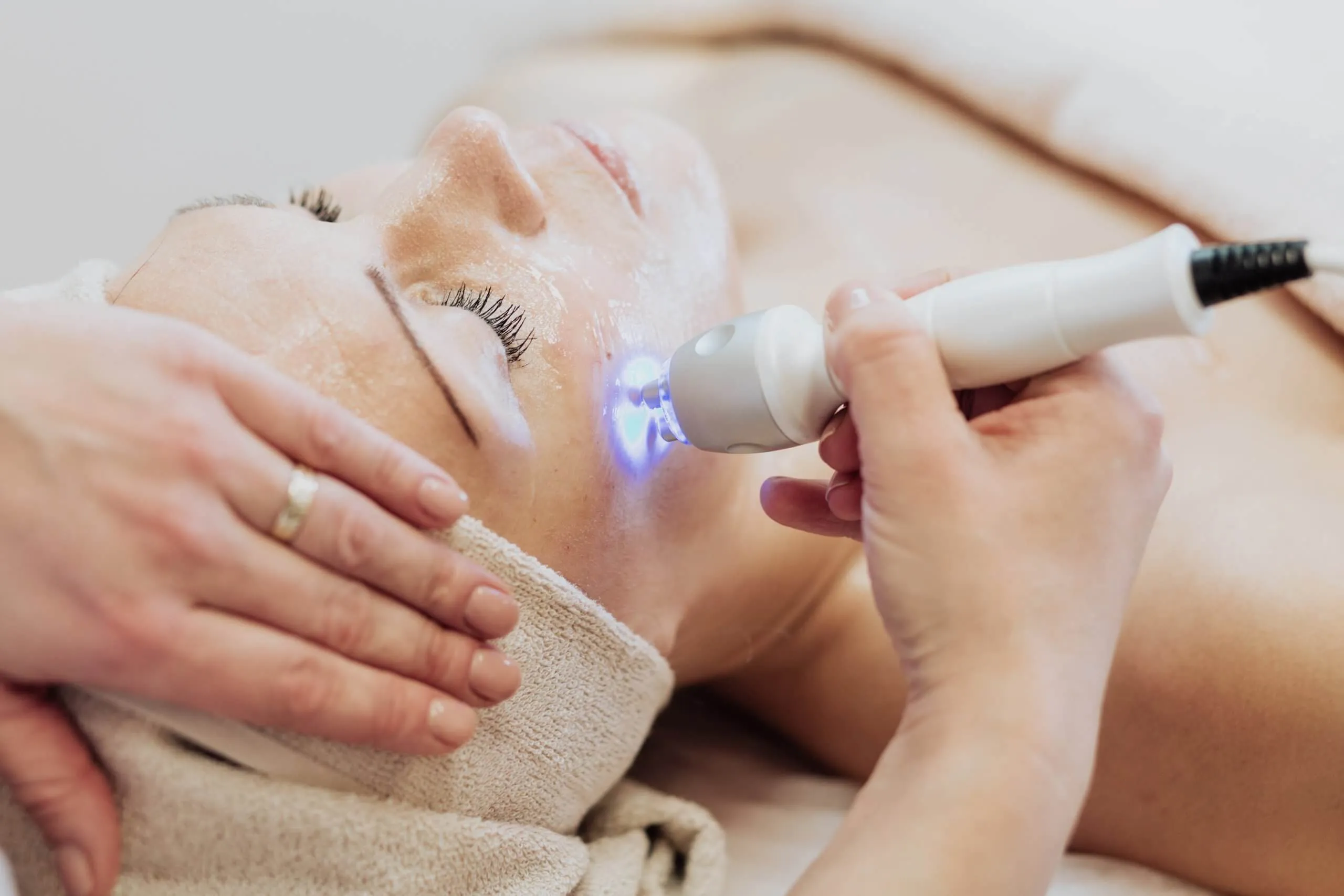
Mesotherapy is a non-surgical skin treatment that uses very fine micro-injections to deliver vitamins, minerals, amino acids and hyaluronic acid into the middle layer of the skin, improving hydration, radiance and texture. It helps adults whose skin looks dull, tired or dehydrated and who want a gradual, natural-looking refresh without surgery. Because the ingredient blend is tailored after a skin assessment, treatment can be personalised to your skin's needs, with results building over a short course of sessions.
Is this treatment right for you?
Suitable for: adults with dull, tired or dehydrated skin who want a gradual, natural-looking improvement in hydration, glow and texture without surgery.
Less ideal if: you have an active skin infection or inflammation in the treatment area, a known allergy to any of the injected ingredients, a bleeding or clotting disorder, you are pregnant or breastfeeding, or your main concerns are sagging skin and deep wrinkles that mesotherapy cannot correct.
Suitability can only be confirmed by a qualified clinician after assessing you, which is why every plan begins with a free, personalised review rather than a fixed promise.
Benefits & risks
A balanced view matters more than a sales pitch. Weigh both sides and discuss them with a clinician before deciding.
Potential benefits
- Improves skin hydration, radiance and texture with a gradual, natural-looking effect
- Non-surgical, with no incisions, stitches or general anaesthetic
- Little downtime - most people return to work and normal activities the same day
- The ingredient blend can be personalised to your skin's needs after assessment
- Can treat the face as well as the neck, décolletage and backs of the hands
- Combines well with other treatments such as chemical peels as part of a wider skin plan
Risks & considerations
- Redness, swelling, tenderness and small bumps at the injection sites for a day or two
- Bruising, which can take several days to fade
- Infection at the injection sites, which is uncommon but needs prompt treatment
- Allergic reaction to one or more of the injected ingredients
- Small lumps (nodules) or pigmentation changes at the injection sites, which are rare
- Results vary from person to person and maintenance sessions are usually needed to keep them
Am I a candidate?
- Your skin looks dull, tired or dehydrated and you want a gradual improvement in glow and texture
- You prefer a non-surgical option with little downtime over more invasive treatments
- You are in good general health with no active skin infection in the area to be treated
- You have realistic expectations and accept that a course of sessions plus maintenance is usually needed
- Sagging skin or deep wrinkles are not your main concern, as these usually need other treatments
Only a qualified clinician can confirm suitability after a personal assessment.
Process & recovery
Mesotherapy is a quick outpatient treatment: after cleansing and, if you wish, a numbing cream, the practitioner places a series of very fine, shallow micro-injections across the treatment area, with most sessions taking around twenty to forty minutes. No general anaesthetic is needed and most people return to normal activities the same day. The skin often looks red and slightly swollen for a day or two, with small bumps or bruises that settle over several days, and results build gradually over a course of sessions. Risks include bruising, tenderness, infection, allergic reaction and, rarely, small lumps or pigmentation changes at the injection sites.
What is mesotherapy?
Mesotherapy is a non-surgical skin rejuvenation treatment in which a series of very fine, shallow injections delivers a tailored blend of ingredients — most commonly hyaluronic acid, vitamins, minerals and amino acids — into the middle layer of the skin. The aim is to hydrate and nourish the skin from within and gently encourage its own repair processes, improving glow, texture and overall skin quality rather than changing the shape of the face. It is most often used on the face, although the neck, décolletage and backs of the hands are also commonly treated, and a related technique is used on the scalp to support thinning hair — see PRP and mesotherapy for hair.
It helps to understand what mesotherapy is not. Unlike dermal fillers, it does not add volume or reshape features, and unlike anti-wrinkle injections it does not relax the muscles that cause expression lines. Mesotherapy also describes a family of techniques and ingredient blends rather than a single standardised product, and the scientific evidence for some of its uses is limited. An honest assessment should explain what it can realistically achieve for your skin — and when another option, such as a chemical peel, may suit your concerns better.
How mesotherapy works
Assessment and preparation
Treatment starts with a review of your skin, your medical history and what you would like to improve. The treating doctor selects an ingredient blend to match your concerns — dehydration, dullness, early fine lines or loss of elasticity — and checks for allergies or medical reasons to avoid treatment. You may be asked to avoid alcohol and, only with your prescriber’s agreement, blood-thinning medicines for a few days beforehand to reduce bruising, and to arrive with clean, make-up-free skin.
On the day
The skin is cleansed and a numbing cream can be applied if you wish. The practitioner then places a series of small, shallow injections across the treatment area, either by hand or using a mechanical injector device that delivers consistent micro-doses. A session typically takes around twenty to forty minutes, no general anaesthetic is involved, and most people return to their normal day straight afterwards, following simple aftercare advice.
A typical treatment course
| Phase | What typically happens |
|---|---|
| Initial course | Several sessions spaced roughly two to four weeks apart, so the effect can build gradually |
| Review | The treating doctor assesses progress and adjusts the blend or spacing if needed |
| Maintenance | Periodic top-up sessions every few months to keep the result |
Recovery: what to expect
Mesotherapy involves little downtime, but the skin does need a short period to settle:
| Stage | What is typical |
|---|---|
| First 48 hours | Redness, mild swelling and small bumps at the injection points; make-up, saunas, swimming and strenuous exercise are usually avoided at first |
| First 1–2 weeks | Any bruising fades; the skin often starts to feel better hydrated; gentle skincare and daily sun protection are advised |
| 1–3 months | Improvements in glow, hydration and texture build as the course of sessions progresses |
| Longer term | Maintenance sessions and consistent sun protection help preserve the result |
Increasing pain, spreading redness, warmth or discharge at the injection sites should be reported to the medical team promptly, as these can be signs of infection.
Results and longevity
Mesotherapy tends to give a subtle, gradual improvement — skin that looks better hydrated, fresher and more even in texture — rather than a dramatic change. Many people notice a difference after the first few sessions, with results building as the course continues. Outcomes vary from person to person and depend on your starting skin condition, age, sun exposure and habits such as smoking.
The effect is not permanent. Because skin quality changes constantly, maintenance sessions every few months are usually recommended once the initial course is complete. Mesotherapy does not lift sagging skin, fill deep wrinkles or restore significant lost volume; those concerns are usually addressed more effectively with other treatments, and the treating doctor can talk through the honest trade-offs of each during your assessment.
Having mesotherapy in Türkiye
As a medical travel facilitator, we coordinate mesotherapy at accredited, Ministry of Health–authorised partner hospitals and clinics in Türkiye. Before you travel, your photographs and skin concerns are reviewed so the treating doctor can advise whether mesotherapy — or an alternative — is right for you, and you receive a free, no-obligation personalised plan before committing to anything.
Packages are all-inclusive and transparent, typically covering treatment, hotel accommodation, airport and clinic transfers, and an English-speaking patient coordinator who accompanies you to appointments and translates where needed. Because downtime is minimal, mesotherapy is often combined with other skin treatments during the same visit, and a course can be planned around your travel dates, with maintenance guidance for when you are home. Once back in the UK, the team remains available by message and photo review — see your patient journey for how a typical visit is organised.
This page is for general information and is not a substitute for personalised medical advice; suitability can only be confirmed after an individual assessment.
Before & after
Frequently asked questions
How many mesotherapy sessions will I need? +
Mesotherapy is usually given as a course of several sessions spaced roughly two to four weeks apart, followed by periodic maintenance treatments to keep the result. The exact number depends on your skin and your goals, and the treating doctor recommends a schedule after assessing you. A single session rarely gives a lasting change on its own.
Is there any downtime after mesotherapy? +
Downtime after mesotherapy is minimal for most people. The skin often looks red and slightly swollen for a day or two, sometimes with small bumps or bruises at the injection points, but these typically settle within a few days. Most people return to work and normal activities the same day, avoiding make-up, saunas and strenuous exercise at first as advised.
Is mesotherapy painful? +
Most people describe mesotherapy as mildly uncomfortable rather than painful, because the injections are very fine and shallow. A numbing cream can be applied beforehand to reduce discomfort, and any stinging usually settles soon after the session. Tenderness in the treated area typically eases within a day or two.
What is in mesotherapy injections? +
Mesotherapy blends typically combine hyaluronic acid with vitamins, minerals and amino acids chosen to hydrate and nourish the skin. The exact formula varies between providers and is tailored to your skin's needs after an assessment. If you have any allergies, tell the treating doctor so the ingredients can be checked before treatment.
When will I see results from mesotherapy? +
Results from mesotherapy build gradually over the course of treatment rather than appearing overnight. Many people notice better hydration and a fresher look after the first few sessions, with texture and radiance continuing to improve as the course progresses. Outcomes vary from person to person depending on skin condition, age and lifestyle.
How long do mesotherapy results last? +
Mesotherapy results are temporary because the skin's condition keeps changing, so maintenance sessions every few months are usually recommended once the initial course is complete. How long the effect lasts varies from person to person and depends on factors such as sun exposure, smoking and skincare. The treating doctor will suggest a maintenance plan suited to your skin.
How long do I need to stay in Türkiye for mesotherapy? +
A stay of two to four days is typically enough for mesotherapy, as there is little downtime, and many people combine it with other skin treatments during the same trip. Because a full course involves several sessions, some patients plan treatments around future visits or continue maintenance at home. Your free personalised plan confirms the exact schedule for your treatment.
When can I fly home after mesotherapy? +
There is no medical restriction on flying after mesotherapy, so most people can travel home the same day or the day after their session. It is sensible to allow a little extra time in case of bruising or swelling and for any advised review. Your personalised plan sets out the recommended timing for your journey home.