
 Facial Aesthetics
  Body Contouring
  Skin Rejuvenation
  Eye & Eyelid Surgery
  Mummy Makeover
  Obesity Treatment
  Dental Aesthetics
  Hair Transplant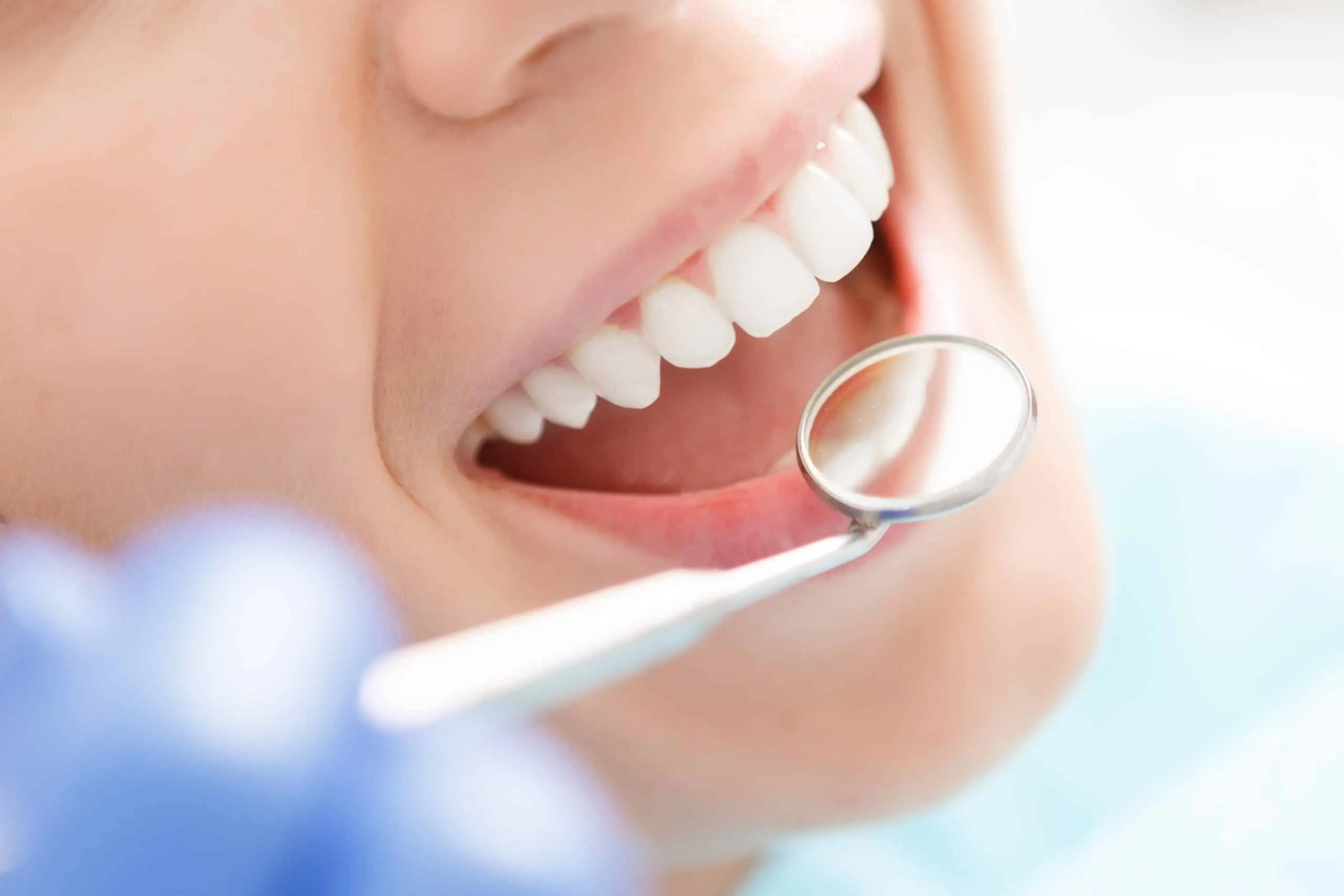
Dental veneers are thin shells of porcelain or composite resin bonded to the front surfaces of the teeth to improve their colour, shape and alignment. They suit people with healthy teeth who want to correct staining, chips, small gaps or uneven edges that whitening alone cannot fix. Porcelain veneers are laboratory-made for durability and natural translucency, while composite veneers are sculpted directly onto the teeth, often with little or no drilling.
Is this treatment right for you?
Suitable for: adults with healthy teeth and gums who want to improve the colour, shape, spacing or minor misalignment of their front teeth.
Less ideal if: you grind or clench your teeth heavily without a night guard, have untreated decay or gum disease, have very little enamel remaining, or want a fully reversible treatment.
Suitability can only be confirmed by a qualified clinician after assessing you, which is why every plan begins with a free, personalised review rather than a fixed promise.
Benefits & risks
A balanced view matters more than a sales pitch. Weigh both sides and discuss them with a clinician before deciding.
Potential benefits
- Noticeably brighter, more even front teeth that can still look natural when well designed
- Corrects deep staining, chips, small gaps and uneven edges in one course of treatment
- Porcelain veneers resist staining from tea, coffee and red wine better than natural enamel
- Shade, shape and translucency are personalised to suit your face and preferences
- Less tooth reduction than crowns, as only the front surface is prepared in most cases
- Composite veneers can often be placed with little or no drilling and are simple to repair
Risks & considerations
- Tooth sensitivity to hot and cold, which usually settles but can occasionally persist
- Chipping, cracking or debonding of a veneer, needing repair or replacement
- Enamel removed during preparation does not grow back, so treatment is not reversible
- Gum irritation or recession around the veneer margins over time
- Decay can still develop at the edges of a veneer if oral hygiene slips
- Nerve irritation in a prepared tooth, occasionally requiring root canal treatment
Am I a candidate?
- Your teeth and gums are healthy, or any decay and gum disease can be treated first
- You are unhappy with the colour, shape, spacing or minor crowding of your front teeth
- Whitening alone has not achieved the shade you want, or the staining is internal
- You do not grind your teeth heavily, or are willing to wear a night guard to protect the veneers
- You understand that enamel preparation is permanent and veneers will need replacing eventually
Only a qualified clinician can confirm suitability after a personal assessment.
Process & recovery
Veneers are usually completed in a single trip of several days or two shorter visits. After digital scans and smile design, the treating dentist prepares the teeth under local anaesthetic — for porcelain veneers this typically means removing a thin layer of enamel — and fits temporary veneers while the laboratory makes the final set. The finished veneers are then tried in, bonded and polished, usually across appointments lasting a few hours in total. Mild sensitivity to hot and cold is common for a week or two afterwards. Risks include lasting sensitivity, chipping or debonding over time, gum irritation, and the fact that enamel removal is permanent.
What are dental veneers?
Dental veneers are wafer-thin facings — usually porcelain or composite resin — bonded to the front surfaces of the teeth to improve their colour, shape, size and alignment. Rather than covering the whole tooth as a crown does, a veneer covers only the visible face, which means less of the natural tooth typically needs to be altered.
Veneers are used to mask deep staining that whitening cannot lift, close small gaps, disguise chips and worn edges, and even out mildly crooked or uneven front teeth. Porcelain veneers are made in a dental laboratory from digital scans and bonded at a later appointment; composite veneers are sculpted directly onto the teeth by the dentist, often in a single visit. A set of veneers across the teeth that show when you smile is the foundation of the full Hollywood Smile makeover.
How veneers treatment works
Consultation and smile design
Treatment starts with a dental examination, photographs and digital scans. The treating dentist checks that your teeth and gums are healthy — any decay or gum disease is dealt with first — then designs the new smile with you, agreeing the shade, shape and number of veneers. A digital or physical mock-up often lets you preview the result before any tooth is touched.
Preparation and temporary veneers
For porcelain veneers, the teeth are prepared under local anaesthetic, typically by removing a thin layer of enamel from the front surface so the finished veneers sit flush and look natural. Impressions or scans go to the laboratory, and temporary veneers protect the teeth while the final set is made — often a matter of days when the laboratory is on site or nearby.
Fitting and bonding
Each veneer is tried in, adjusted and then bonded with a strong dental adhesive before the bite is checked and everything is polished. Composite veneers skip the laboratory stage: the dentist builds the resin up directly on the tooth, then shapes and polishes it in the same appointment.
| Aspect | Porcelain veneers | Composite veneers |
|---|---|---|
| How they are made | Crafted in a laboratory, then bonded | Sculpted directly onto the tooth |
| Tooth preparation | Usually some enamel removal | Often little or no drilling |
| Durability and stain resistance | Higher; closer to natural enamel | Lower; stains and wears sooner |
Recovery: what to expect
There is no surgical recovery after veneers, but teeth and gums do need a short settling-in period:
- First 48 hours — some sensitivity to hot and cold, and mild gum tenderness around the veneer margins; softer foods are sensible while you adjust to the new bite.
- First 1–2 weeks — sensitivity usually fades, speech adapts to the new tooth shapes and the veneers begin to feel like your own teeth; a review confirms the bite is comfortable.
- 1–3 months — the gums settle fully around the margins, and any minor polishing or bite adjustment can be made.
- Longer term — routine brushing, flossing and dental check-ups keep the veneers, and the teeth beneath them, healthy.
Persistent pain, a loose or chipped veneer, or a bite that never feels right should be reported rather than ignored — most issues are straightforward to correct when caught early.
Results and longevity
Well-made veneers should look like a naturally healthy version of your own teeth rather than an obvious dental treatment — shade, translucency and shape are chosen to suit your face, and subtle character can be built in on request. The change is immediate: staining, chips, small gaps and uneven edges disappear the day the veneers are fitted.
Honest expectations matter. Porcelain veneers often last many years with good care, while composite versions typically need refreshing sooner; all veneers eventually need replacing, and because enamel removed during preparation does not grow back, prepared teeth will always need some form of covering afterwards. Grinding, nail-biting and using your teeth to open things shorten a veneer’s life, and a night guard is often advised for people who clench in their sleep. Veneers themselves cannot be whitened, so many people have teeth whitening first and match the new veneers to the brighter shade.
Having veneers in Türkiye
As a medical travel facilitator, we coordinate veneer treatment at accredited, Ministry of Health–authorised partner hospitals and dental centres in Türkiye. Your dental photographs and history are reviewed in advance so the treating dentist can confirm veneers are genuinely appropriate — and flag where whitening, orthodontics or a crown might serve a tooth better — before you receive a free, no-obligation personalised treatment plan.
Packages are all-inclusive and transparent, typically covering treatment, hotel accommodation, airport and clinic transfers, and an English-speaking patient coordinator at every appointment. Porcelain veneers are usually completed in a single stay of several days, with smile design, preparation and the final fit scheduled around an on-site laboratory; see your patient journey for how a typical visit runs. After you fly home, the team remains available for photo reviews and advice, alongside your regular check-ups with a dentist in the UK.
This page is for general information and is not a substitute for personalised dental advice; suitability can only be confirmed after an individual assessment.
Before & after
Frequently asked questions
Porcelain or composite veneers - which should I choose? +
Porcelain veneers are more durable, more stain-resistant and closer to natural enamel in translucency, but they usually require some enamel preparation and are made in a laboratory. Composite veneers are sculpted directly onto the tooth, often with little or no drilling, and are easier to repair, though they stain and wear more quickly. The treating dentist advises which option suits your teeth, habits and goals after examining you.
Do veneers damage your teeth? +
Porcelain veneers usually involve removing a thin layer of enamel, which does not grow back, so a prepared tooth will always need a veneer or crown afterwards. The tooth underneath is not harmed if the veneer is well made and your hygiene is good, but decay can still develop at the margins. These trade-offs are explained before treatment so you can make an informed choice.
How long do veneers last? +
Porcelain veneers often last many years with good care, while composite veneers typically have a shorter lifespan and may need more frequent repair or refreshing. Longevity varies from person to person and depends on grinding habits, diet, oral hygiene and regular check-ups. All veneers eventually need replacing, which is worth factoring into your decision.
Is getting veneers painful? +
Tooth preparation for veneers is carried out under local anaesthetic, so you should not feel pain during the appointments themselves. Some sensitivity to hot and cold, and mild gum tenderness, are common for a week or two after fitting and usually settle on their own. Discomfort varies from person to person, but most people manage with standard pain relief, if any.
How long do I need to stay in Türkiye for veneers? +
A course of porcelain veneers typically takes around five to seven days in Türkiye, covering scans and smile design, tooth preparation, temporary veneers and the final fit. Composite veneers can often be completed in fewer days. Your free personalised plan confirms the exact schedule for your case.
When can I fly home after getting veneers? +
You can typically fly home the day after your final veneers are bonded, once the treating dentist has checked your bite and the fit of each veneer. Flying does not affect veneers, so no special recovery period is needed for the journey. Your personalised plan sets out the recommended departure date.
Can you whiten veneers? +
No — whitening gels do not change the colour of porcelain or composite veneers, only natural tooth tissue. If you would like a brighter overall shade, teeth whitening is usually done before veneers are made so the new veneers can be matched to the lighter colour. This sequencing is planned at the smile design stage.
How many veneers will I need? +
It varies: some people have a single veneer to correct one chipped or discoloured tooth, while others choose a set across the teeth that show when they smile. The number depends on your smile line, the condition of each tooth and the look you want. The treating dentist recommends a number after your assessment, and a full smile makeover option is described on our Hollywood Smile page.