
 Facial Aesthetics
  Body Contouring
  Skin Rejuvenation
  Eye & Eyelid Surgery
  Mummy Makeover
  Obesity Treatment
  Dental Aesthetics
  Hair Transplant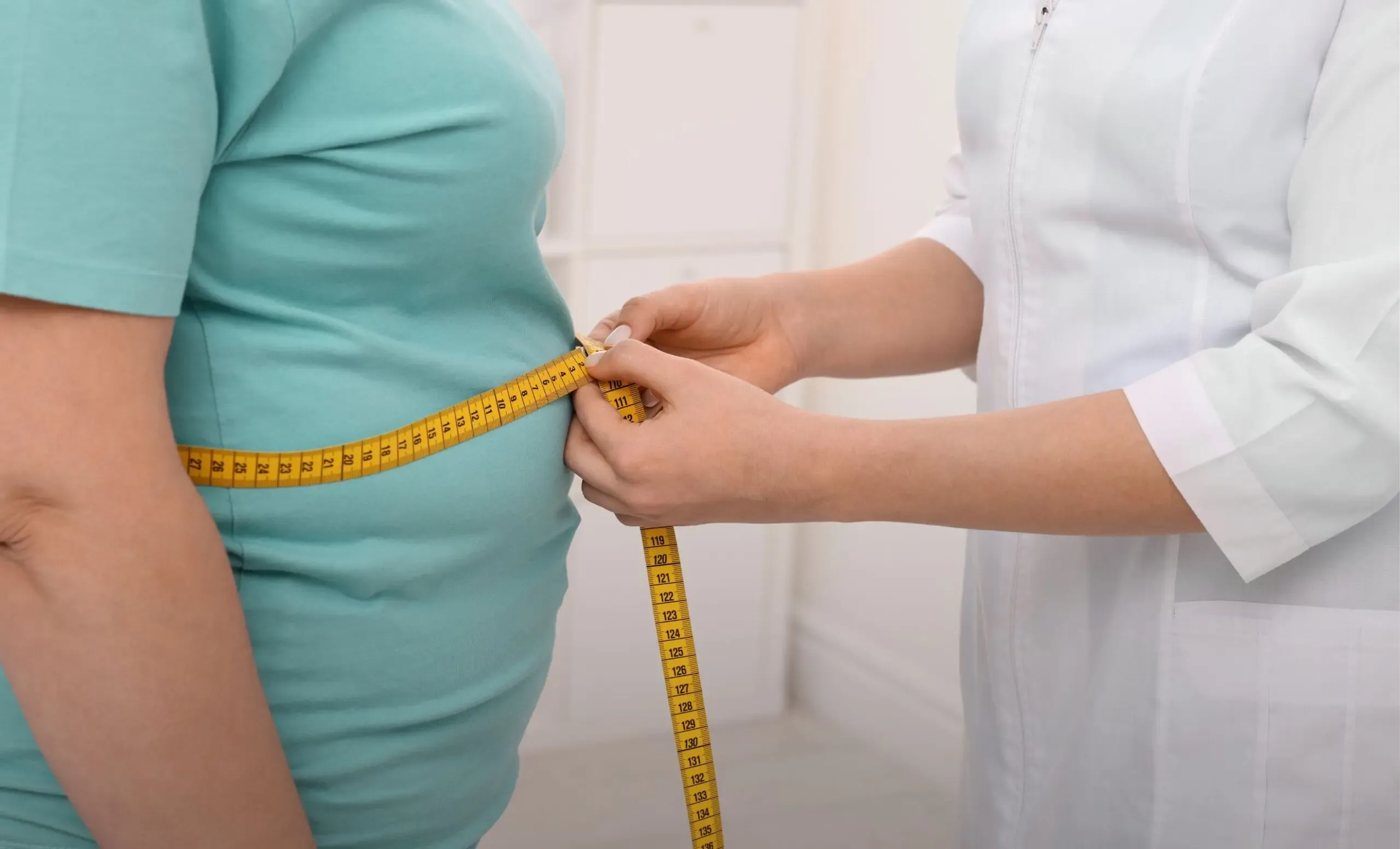
Weight loss (bariatric) surgery is a group of stomach-reducing procedures — including gastric sleeve, gastric bypass and the non-surgical gastric balloon — that limit how much you can comfortably eat and, in some cases, how many calories you absorb, to support major and lasting weight loss. It is intended for adults living with obesity for whom diet, exercise and medication have not brought lasting results, particularly where weight is affecting health through conditions such as type 2 diabetes or sleep apnoea. Invisicana coordinates your care end to end with experienced bariatric teams at accredited, Ministry of Health–authorised partner hospitals in Türkiye — from free medical assessment through surgery to remote dietary follow-up at home — with transparent all-inclusive packages and an honest view of what each option involves, because weight loss surgery is a lifelong commitment, not a quick fix.
Procedures in this area
Each procedure explains what is involved, who it may suit, recovery and a balanced view of benefits and risks. A clinician confirms suitability after a personal assessment.
Gastric Sleeve
A gastric sleeve (sleeve gastrectomy) is a weight loss operation that permanently removes a large part of the stomach, leaving a narrow, banana-shaped sleeve.
Gastric Bypass
A gastric bypass is weight loss surgery that creates a small pouch at the top of the stomach and reroutes part of the small intestine, so you eat less and absorb fewer calories.
Gastric Balloon
A gastric balloon is a soft silicone balloon placed into the stomach through the mouth — without surgery — and filled with saline so you feel full sooner and eat smaller portions.
Gastric Band
Is this treatment right for you?
Suitable for: adults living with obesity, often with weight-related conditions such as type 2 diabetes, who have tried diet and exercise without lasting success and are ready to commit to lifelong lifestyle change.
Less ideal if: you are looking for a quick fix without long-term dietary change, have an untreated eating disorder or a medical condition that makes surgery unsafe, or fall outside the range at which bariatric treatment is normally considered.
Suitability can only be confirmed by a qualified clinician after assessing you, which is why every plan begins with a free, personalised review rather than a fixed promise.
Benefits & risks
A balanced view matters more than a sales pitch. Weigh both sides and discuss them with a clinician before deciding.
Potential benefits
- Significant, sustained weight loss is typical when surgery is combined with lasting lifestyle change
- Weight-related conditions such as type 2 diabetes, high blood pressure and sleep apnoea often improve
- Keyhole (laparoscopic) techniques mean small incisions and a shorter recovery than open surgery
- Appetite and portion sizes are physically reduced, making dietary change more manageable
- Mobility, energy levels and day-to-day quality of life often improve as weight comes down
Risks & considerations
- Bleeding, infection or leaks from the staple line or new join, which can be serious
- Blood clots (DVT or pulmonary embolism)
- Acid reflux, nausea, gallstones or dumping syndrome, depending on the procedure
- Nutritional deficiencies, requiring lifelong vitamin and mineral supplements after surgery
- Loose skin after major weight loss, which may need further surgery to remove
- General anaesthetic risks, and occasionally revision surgery
Am I a candidate?
- Your BMI is 40 or above, or 35 or above with a weight-related condition such as type 2 diabetes — the range at which bariatric surgery is typically considered
- You have tried to lose weight through diet, exercise or medication without lasting success
- You are ready to commit to permanent changes in how you eat, plus regular follow-up and supplements
- You are in good enough general health to undergo an anaesthetic and, where relevant, surgery
- You have realistic expectations and understand that surgery is a tool, not a cure
Only a qualified clinician can confirm suitability after a personal assessment.
Process & recovery
Gastric sleeve and gastric bypass are performed under general anaesthetic using keyhole (laparoscopic) surgery, typically taking one to three hours with a hospital stay of a few nights, while a gastric balloon is placed endoscopically under sedation in a short procedure with no incisions. Recovery follows a staged diet — liquids, then puréed and soft foods, then solids — over several weeks, and most people return to desk-based work within one to three weeks. Risks include bleeding, infection, leaks from the staple line or new join, blood clots, reflux, nutritional deficiencies and anaesthetic complications, which is why lifelong follow-up and supplements are part of every surgical plan.
Choosing between the procedures
Weight loss surgery is not one operation but a set of options, and the right choice depends on your starting point, your health and what you can realistically sustain. A gastric sleeve permanently removes a large part of the stomach, so you feel full sooner and hunger hormones are reduced; it is one of the most commonly performed bariatric procedures. A gastric bypass creates a small stomach pouch and reroutes part of the digestive tract, which limits both intake and calorie absorption and is often considered where acid reflux or type 2 diabetes is a significant factor. A gastric balloon is different again: a temporary, non-surgical device placed in the stomach under sedation and removed after a set period, which may suit people who want support with portion control without an operation, or who do not meet the criteria for surgery.
| Procedure | Targets | Typical downtime |
|---|---|---|
| Gastric sleeve | Permanent reduction of stomach size and appetite | A few nights in hospital; around two to three weeks before desk-based work |
| Gastric bypass | Stomach size plus calorie absorption; often considered with reflux or type 2 diabetes | A few nights in hospital; around two to four weeks before desk-based work |
| Gastric balloon | Temporary portion control without surgery | Usually a day procedure; nausea is common in the first week |
These are general guides only. None of the options works on its own — each is a tool that makes lasting dietary change more achievable, and suitability is always confirmed by a medical assessment rather than personal preference alone.
How your care is coordinated
Invisicana is a facilitator, not a hospital, and we are open about that. We coordinate your care rather than perform your surgery: your operation is carried out by experienced bariatric surgeons and their anaesthetic and nursing teams at accredited, Ministry of Health–authorised partner hospitals in Türkiye. Your journey begins with a free medical assessment — typically covering your BMI, medical history, medications and previous weight loss attempts — which the treating team uses to advise honestly whether bariatric treatment is appropriate and, if so, which procedure fits your circumstances.
If you decide to go ahead, transfers, accommodation, an interpreter and your in-hospital care are arranged as part of a transparent, all-inclusive package, and a free, no-obligation personalised treatment plan and quote are provided before you commit to anything. You can see how each stage works on our patient journey page.
Recovery and aftercare in general terms
Recovery after weight loss surgery follows a broadly similar arc whichever procedure you have. In hospital you will be encouraged to walk early to support circulation, and you will start on clear fluids. Over the following weeks you progress through a staged diet — liquids, then puréed and soft foods, then normal but much smaller meals — guided by the dietary plan you are given. Most people return to desk-based work within one to three weeks, with heavier activity reintroduced gradually. After a sleeve or bypass, lifelong vitamin and mineral supplements and periodic blood tests are essential, because the changed digestive tract absorbs some nutrients less well. Once you are home in the UK, the aftercare team follows up remotely, and we encourage you to keep your GP informed so routine monitoring can continue locally.
Life after weight loss surgery
The operation is the beginning, not the end. Most weight loss happens over the first year to eighteen months, and keeping it off depends on the habits built during that window: regular small meals, adequate protein, hydration and activity. Some people are later left with loose skin, particularly around the abdomen, arms and thighs; once weight has been stable for a sustained period, skin-removal procedures such as body contouring surgery can be considered as a separate, later step. The treating team will be honest with you about all of this from the start, because realistic expectations are the foundation of a good outcome.
Before & after
Frequently asked questions
Who carries out my treatment and is it suitable for me? +
Your treatment is carried out by experienced bariatric teams at our accredited, Ministry of Health–authorised partner hospitals in Türkiye. Suitability is determined by a medical assessment, so we review your details first and give you honest advice before recommending any option.
Which weight loss surgery is right for me? +
It depends on your BMI, your health conditions, your eating patterns and how much change you can sustain. A gastric sleeve permanently reduces stomach size, a gastric bypass reduces it and reroutes digestion — often considered where reflux or type 2 diabetes is a factor — and a gastric balloon is a temporary, non-surgical option. A free medical assessment lets the treating bariatric team advise honestly which weight loss procedure, if any, suits your case.
Is weight loss surgery painful? +
Weight loss surgery is performed under general anaesthetic, so you will not feel anything during the operation. Afterwards, soreness around the small keyhole incisions and trapped-wind discomfort are common for the first few days and are usually well controlled with prescribed pain relief. Discomfort varies from person to person and typically settles within a week or two.
How long do I need to stay in Türkiye for weight loss surgery? +
Most gastric sleeve and gastric bypass patients stay in Türkiye for around five to eight days, covering pre-operative tests, surgery, a hospital stay of a few nights and a final check before travel. A gastric balloon usually needs a shorter trip of a few days. Your personalised treatment plan confirms the exact timing for your procedure.
When can I fly home after weight loss surgery? +
Flying home is typically possible around five to seven days after keyhole weight loss surgery, once the treating surgeon has reviewed your recovery and is satisfied it is safe to travel. You will be advised to stay hydrated and move regularly during the flight to reduce the risk of blood clots. Your personalised plan confirms the exact timing for your case.
How quickly will I see results after weight loss surgery? +
Weight loss after bariatric surgery is usually fastest in the first few months and then continues more gradually, with most people reaching a stable weight within twelve to eighteen months. How much weight you lose varies from person to person and depends heavily on following the dietary and lifestyle plan. The treating team sets realistic, personalised expectations at your assessment.
What aftercare is there when I am home? +
We provide remote follow-up and dietary guidance after you return home. Weight loss surgery is a lifelong commitment, and ongoing support helps you make the most of your treatment.
How do I get a quote? +
Share a few details for a free, no-obligation assessment. We respond with honest advice and a clear, all-inclusive quote once we understand your case.