
 Facial Aesthetics
  Body Contouring
  Skin Rejuvenation
  Eye & Eyelid Surgery
  Mummy Makeover
  Obesity Treatment
  Dental Aesthetics
  Hair Transplant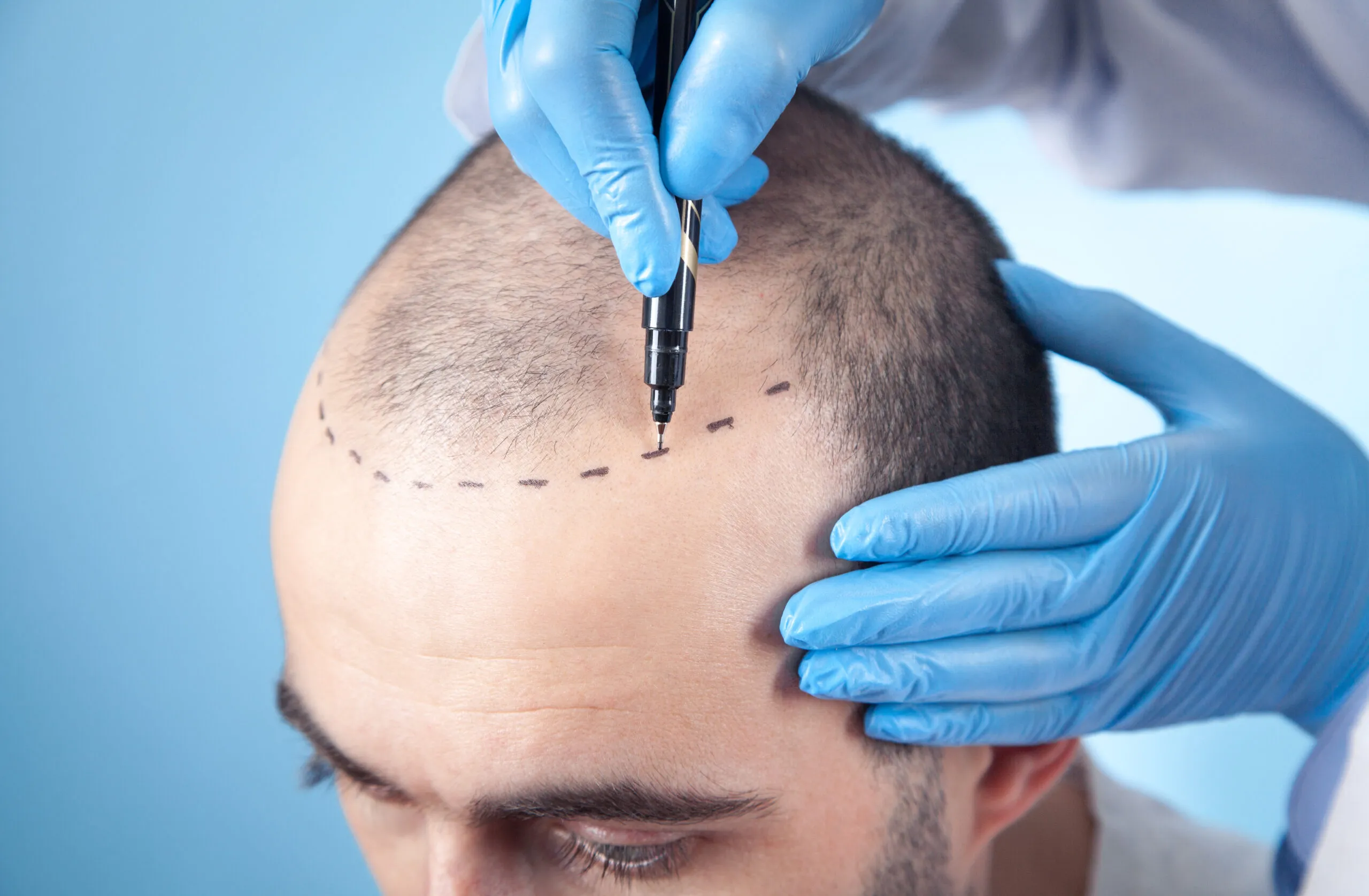
An Afro hair transplant is a hair restoration procedure adapted for Afro-textured hair, in which curly, coiled follicles are carefully extracted from the donor area and implanted where hair is thinning. Because these follicles curve beneath the skin, extraction demands particular skill to avoid damaging the grafts. With a team experienced in curly hair types, natural and dense-looking results are achievable for hairlines, temples and areas affected by traction alopecia.
Is this treatment right for you?
Suitable for: adults with Afro-textured or tightly curled hair, a stable pattern of hair loss and a healthy donor area.
Less ideal if: you have an active scalp condition such as untreated scarring alopecia, or your donor area is limited.
Suitability can only be confirmed by a qualified clinician after assessing you, which is why every plan begins with a free, personalised review rather than a fixed promise.
Benefits & risks
A balanced view matters more than a sales pitch. Weigh both sides and discuss them with a clinician before deciding.
Potential benefits
- Technique adapted to curved, coiled follicles rather than a one-size-fits-all approach
- FUE avoids the linear donor scar of older strip methods; tiny dot marks are often well concealed by curly hair
- Can restore density at the hairline, temples and crown, including areas affected by traction alopecia
- Curly hair provides good visual coverage, so a fuller look may be achieved with a moderate number of grafts
- Transplanted follicles come from areas generally resistant to pattern hair loss, so results tend to be long-lasting
Risks & considerations
- Higher risk of follicle transection during extraction because the root curves beneath the skin
- Keloid or hypertrophic (raised) scarring, which is more common in darker skin types
- Infection, bleeding, swelling and temporary numbness of the scalp
- Folliculitis (inflamed follicles) and ingrown hairs as new growth comes through
- Uneven density or an unnatural hairline, which may require revision
- Pigmentation changes in the treated skin as it heals
Am I a candidate?
- You have Afro-textured or tightly curled hair with a stable pattern of loss
- Your donor area at the back and sides of the scalp has healthy, sufficient density
- Any scalp condition such as scarring alopecia has been assessed and is inactive
- You are willing to avoid tight braids, weaves and extensions on the treated area during healing
- You have realistic expectations and can follow aftercare through the regrowth period
Only a qualified clinician can confirm suitability after a personal assessment.
Process & recovery
An Afro hair transplant is usually a single-day procedure performed under local anaesthetic, typically taking several hours depending on the number of grafts. The surgeon uses FUE with punch sizes and angles adjusted to the curl of each follicle, then implants grafts to match your natural pattern and direction of growth. Scabbing and redness generally settle within 10-14 days; transplanted hairs shed at 2-4 weeks before new growth from 3-4 months, with fuller results by 12-18 months. Risks include swelling, temporary numbness, folliculitis, infection, raised or keloid scarring - more common in darker skin types - and graft loss if follicles are damaged during extraction.
What is an Afro hair transplant?
An Afro hair transplant is a hair restoration procedure adapted specifically for Afro-textured and tightly curled hair. Healthy follicles are moved from the donor area — usually the back and sides of the scalp — to areas of thinning such as the hairline, temples or crown. The surgical principles are the same as a standard FUE hair transplant, but the execution differs in one important way: in Afro-textured hair, the follicle curls beneath the skin, so the root often sits at a different angle from the hair visible on the surface. If the extraction punch follows the wrong path, the graft can be cut and lost. Experience with curly hair types is therefore central to a good outcome.
People consider an Afro hair transplant for many reasons: pattern hair loss, a receding hairline, thinning temples, or traction alopecia caused by years of tight braids, weaves or extensions. Because certain scalp conditions — including some forms of scarring alopecia — are more common in Afro-textured hair, careful assessment comes first; transplanting into an active scarring condition is generally not recommended.
How an Afro hair transplant works
Planning and assessment
The treating surgeon reviews your photographs and, where needed, further scalp assessment to confirm that the cause of hair loss is stable and suitable for surgery. The hairline is then designed to suit your facial features and styling preferences. Where there is a personal or family history of keloid or raised scarring, the surgeon may suggest a cautious approach, sometimes starting with a smaller session to see how your skin heals.
Extraction
Grafts are removed one by one using FUE, typically with punch sizes and angles adjusted to follow the curve of each follicle. This stage is slower and more exacting in Afro-textured hair, because the priority is keeping every graft intact.
Implantation
Grafts are placed to match the natural direction, angle and curl of your existing hair. Some teams use implanter pens (the DHI method) for closer control over depth and angle. The recommended technique depends on your hair characteristics, the area being treated and the surgeon’s assessment.
| Aspect | FUE | DHI |
|---|---|---|
| Extraction | Individual grafts via micro-punch | Individual grafts via micro-punch |
| Placement | Channels opened first, then grafts placed | Implanter pen places grafts directly |
| Often chosen for | Larger areas of coverage | Hairline detail and precise angling |
Recovery: what to expect
| Period | What to expect |
|---|---|
| First 48 hours | Soreness, tightness and some swelling; sleeping slightly upright and protecting the grafts |
| First 1–2 weeks | Scabbing settles and supervised washing begins; avoid tight styles, braids, wigs and headwear pressing on the grafts |
| 1–3 months | Transplanted hairs shed — a normal part of the cycle — before early regrowth begins; folliculitis or ingrown hairs can occur and are usually manageable |
| Longer term | Density builds gradually, with fuller results typically between 12 and 18 months |
Chemical relaxers, dyes and heat styling are usually paused until the medical team confirms the scalp has healed. If traction alopecia contributed to your hair loss, avoiding tight styling on the transplanted area helps protect your result.
Results and longevity
Transplanted follicles are taken from areas that are generally resistant to pattern hair loss, so the results of an Afro hair transplant tend to be long-lasting. Afro-textured hair also has a practical advantage: because each hair curls, it covers more of the scalp visually, and in many cases good coverage can be achieved with a moderate number of grafts. That said, outcomes vary from person to person. Hair that was not transplanted may continue to thin, some patients later choose a second session to build density, and healing characteristics — including pigmentation changes or raised scarring in the donor area — differ between individuals. An honest consultation should cover both what is achievable and what is not.
Having an Afro hair transplant in Türkiye
Türkiye is an established destination for hair restoration, and we coordinate Afro hair transplants at accredited, Ministry of Health–authorised partner hospitals with treating surgeons experienced in curly and Afro-textured hair. Your trip is arranged end to end: airport transfers, accommodation, interpreter support at every appointment, and a clear schedule from arrival through to your first wash and graft check. Packages are all-inclusive and transparent, and you receive a free, no-obligation personalised plan before deciding anything. After you fly home, aftercare continues remotely — the medical team reviews your photographs at key regrowth milestones and remains available for questions. You can read about the full process on our patient journey page, or request a free consultation to have your photographs assessed.
Before & after
Frequently asked questions
Is Afro hair harder to transplant? +
Afro-textured hair is more technically demanding to transplant because each follicle curves beneath the skin, which raises the risk of graft damage during extraction. An experienced team adjusts punch size, angle and pace to work with the curl rather than against it. With that expertise, an Afro hair transplant can achieve natural, dense-looking results.
Will results look natural? +
Results from an Afro hair transplant can look very natural when grafts are placed to follow your existing curl pattern, hairline shape and direction of growth. The curl of Afro-textured hair also provides good visual coverage per graft. Final appearance varies from person to person, which is why a personalised assessment matters.
Is it permanent? +
Transplanted follicles are taken from areas that are generally resistant to pattern hair loss, so the results of an Afro hair transplant tend to be long-lasting. Hair that was not transplanted may continue to thin over time, and outcomes vary between individuals. Ongoing care, and in some cases medication, can help protect the surrounding hair.
Is an Afro hair transplant painful? +
An Afro hair transplant is carried out under local anaesthetic, so most people feel little during surgery beyond the initial injections. Some soreness, tightness and swelling are common for a few days afterwards and are usually manageable with simple pain relief. Discomfort levels vary from person to person.
How long do I need to stay in Türkiye for an Afro hair transplant? +
Most patients stay in Türkiye for around three to four days for an Afro hair transplant, allowing time for pre-operative checks, the procedure itself and the first wash and graft check. Your free, personalised treatment plan confirms the exact schedule before you travel.
When can I fly home after an Afro hair transplant? +
Flying home is typically possible within a few days of an Afro hair transplant, once the medical team has completed the first check and wash. You will be given advice on protecting the grafts during travel. Your personalised plan confirms the exact timing for your case.
When will I see results after an Afro hair transplant? +
Transplanted hairs usually shed within two to four weeks of an Afro hair transplant, which is a normal part of the growth cycle. New growth typically begins from three to four months, with fuller results between 12 and 18 months. Timelines vary between individuals, and curly hair often makes coverage more visible once regrowth starts.
Can a hair transplant treat traction alopecia in Afro hair? +
Traction alopecia caused by tight braids, weaves or extensions is a common reason for an Afro hair transplant, particularly along the hairline and temples. Surgery may be effective once the hair loss is stable and the tension has been removed. The treating surgeon assesses whether the affected area and your donor hair are suitable.