
 Facial Aesthetics
  Body Contouring
  Skin Rejuvenation
  Eye & Eyelid Surgery
  Mummy Makeover
  Obesity Treatment
  Dental Aesthetics
  Hair Transplant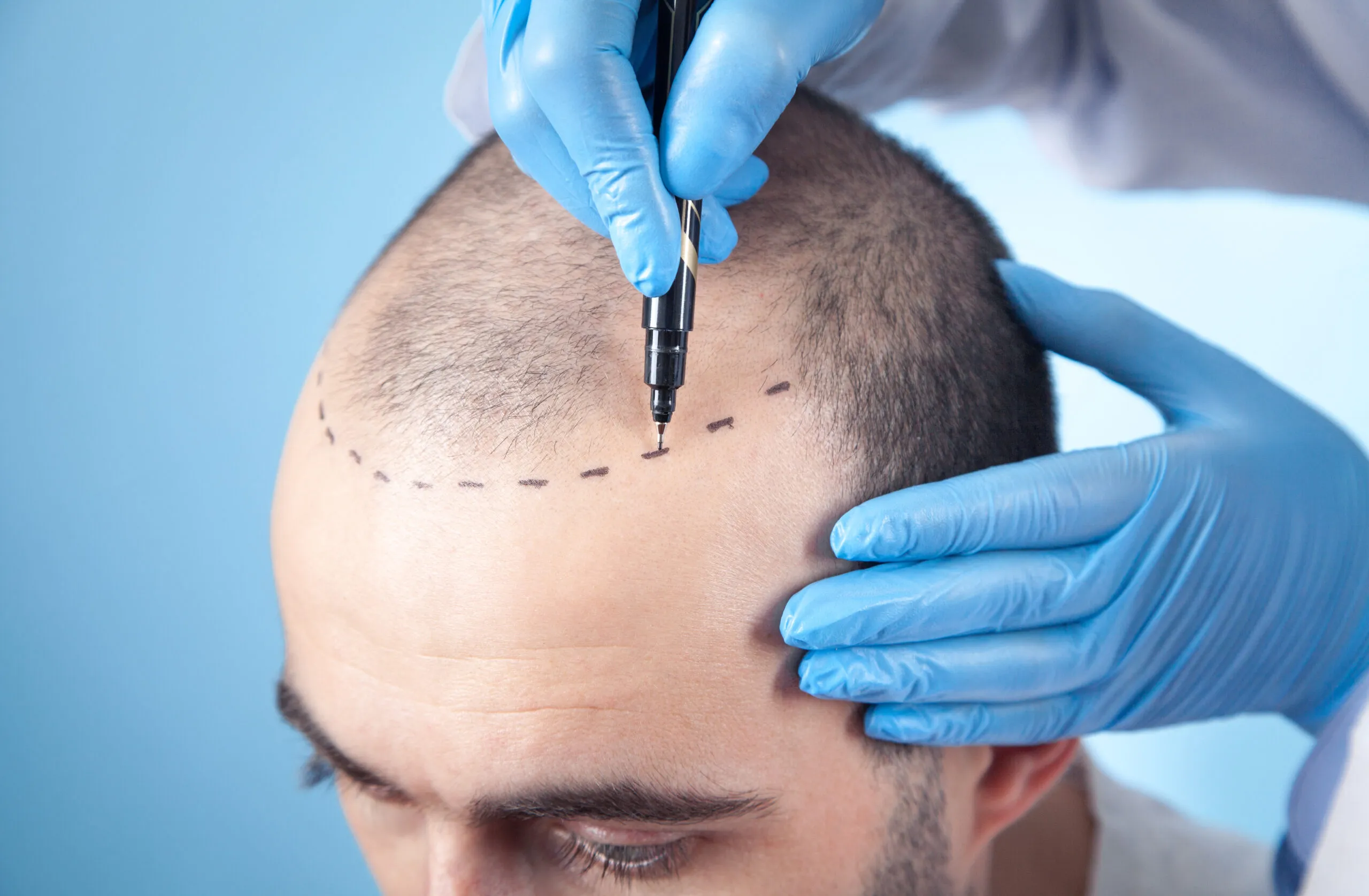
A female hair transplant is a procedure that moves healthy hair follicles from a donor area - usually the back of the scalp - to areas of thinning, a widening parting or a high hairline. It can help women with a defined pattern of loss, traction alopecia or hairline concerns, provided the donor area is stable. Careful assessment matters, as hair loss in women is often diffuse and not always suited to surgery, and many procedures can be performed without shaving the head.
Is this treatment right for you?
Suitable for: women with a defined pattern of thinning, hairline concerns or traction alopecia, and a stable, healthy donor area.
Less ideal if: your hair loss is diffuse or unstable, or an underlying cause such as a thyroid or iron issue has not yet been assessed - non-surgical options may be advised first.
Suitability can only be confirmed by a qualified clinician after assessing you, which is why every plan begins with a free, personalised review rather than a fixed promise.
Benefits & risks
A balanced view matters more than a sales pitch. Weigh both sides and discuss them with a clinician before deciding.
Potential benefits
- Can restore a high or receding hairline, thinning temples, a widening parting and areas affected by traction alopecia
- Unshaven or partial-shave techniques are often possible, so the procedure can remain discreet
- FUE and DHI leave only tiny dot marks in the donor area, usually concealed by the surrounding hair
- Transplanted follicles come from areas generally resistant to pattern hair loss, so results tend to be long-lasting
- Can be combined with non-surgical support such as PRP and medication to help protect existing hair
Risks & considerations
- Shock loss - temporary shedding of existing hair around the transplanted area, which usually regrows
- Infection, bleeding, swelling and temporary numbness of the scalp
- Folliculitis (inflamed follicles) as new growth comes through
- Uneven density or an unnatural hairline direction, which may require revision
- Small scars in the donor area, usually hidden by surrounding hair
- Continued thinning of non-transplanted hair if the underlying cause progresses
Am I a candidate?
- Your hair loss follows a defined pattern - such as a high hairline, thinning temples or traction alopecia - rather than diffuse shedding all over
- Your donor area at the back of the scalp has stable, healthy density
- Underlying causes such as thyroid, iron or hormonal issues have been assessed and addressed
- Your hair loss has been stable for some time rather than actively worsening
- You have realistic expectations and can follow aftercare through the regrowth period
Only a qualified clinician can confirm suitability after a personal assessment.
Process & recovery
A female hair transplant is usually a single-day procedure performed under local anaesthetic, typically taking several hours depending on the number of grafts. The surgeon uses FUE or DHI, often without shaving the whole head, as longer surrounding hair can conceal the treated area. Scabbing and redness generally settle within 10-14 days; transplanted hairs shed at 2-4 weeks before new growth from 3-4 months, with fuller results by 12-18 months. Risks include swelling, temporary numbness, folliculitis, infection, shock loss of existing hair around the grafts and, occasionally, uneven density that may need revision.
What is a female hair transplant?
A female hair transplant is a hair restoration procedure in which healthy follicles are moved from a donor area — usually the back of the scalp — to areas where the hair is thinning or the hairline sits higher than you would like. The surgical techniques are the same as those used for men, but the planning is quite different. Hair loss in women has a wider range of causes: female pattern hair loss, traction alopecia from years of tight ponytails, braids or extensions, shedding linked to the menopause, pregnancy, thyroid conditions or low iron, and hairline changes following facelift or brow-lift surgery. Not all of these respond to surgery, so a careful diagnosis always comes before any recommendation.
Where the loss follows a defined pattern and the donor hair is stable, transplantation can restore density and reframe the face. Common goals include lowering a naturally high hairline, rebuilding thinning temples, filling a widening parting and repairing areas affected by traction alopecia.
How a female hair transplant works
Assessment comes first
Hair loss in women is often diffuse — spread across the whole scalp rather than concentrated in one area — and in diffuse loss the donor area may be thinning too, which makes grafts less reliable. The treating surgeon therefore begins by establishing the cause and stability of your hair loss, sometimes asking for blood tests or a scalp assessment before agreeing to operate. If surgery is not appropriate yet, non-surgical options such as medication or PRP and hair mesotherapy may be suggested first or alongside a later procedure.
The procedure day
A female hair transplant is performed under local anaesthetic and typically takes several hours, depending on the number of grafts. Follicles are extracted individually and implanted to follow the angle and direction of your existing hair. Many women prefer to keep their hair long, and two discreet approaches make this possible:
| Approach | How it works | Often chosen for |
|---|---|---|
| Partial-shave FUE | Small hidden strips of the donor area are trimmed and concealed by the hair above | Larger sessions where more grafts are needed |
| Unshaven DHI | Grafts are trimmed individually and placed between existing hairs with an implanter pen | Hairline work and smaller areas |
The right approach depends on the size of the area being treated and your hair characteristics. The DHI technique is often favoured for implanting between existing hairs, because the implanter pen gives close control of depth and angle without opening channels first.
Recovery: what to expect
| Period | What to expect |
|---|---|
| First 48 hours | Soreness, tightness and some swelling; sleeping slightly upright and protecting the grafts |
| First 1–2 weeks | Scabbing settles and supervised washing begins; avoid tight ponytails, clips, dyes and heat styling on the treated area |
| 1–3 months | Transplanted hairs shed before regrowth begins; some shedding of surrounding native hair (shock loss) can occur and is usually temporary |
| Longer term | Density builds gradually, with fuller results typically between 12 and 18 months |
Most women return to desk-based work within a week or so, although timing varies with the size of the session and how easily the treated area can be concealed. Colouring and chemical treatments are usually paused until the medical team confirms the scalp has healed.
Results and longevity
Transplanted follicles are taken from areas that are generally resistant to pattern hair loss, so the results of a female hair transplant tend to be long-lasting. It is important to be realistic, though. A transplant redistributes hair rather than creating new hair, so the aim is natural-looking coverage and a softer hairline rather than the density of youth. Hair that was not transplanted may continue to thin if the underlying condition progresses, which is why supportive treatment — medication where appropriate, or PRP — is often recommended to help protect the surrounding hair. Shock loss around the grafts, if it occurs, usually recovers within a few months. Outcomes vary from person to person, and an honest consultation should set out what is achievable in your case.
Having a female hair transplant in Türkiye
Türkiye is an established destination for hair restoration, and we coordinate female hair transplants at accredited, Ministry of Health–authorised partner hospitals, with treating surgeons experienced in unshaven techniques and female hairline design. Your trip is arranged end to end: airport transfers, accommodation, interpreter support at every appointment, and a clear schedule from arrival through pre-operative checks to your first wash and graft check. Packages are all-inclusive and transparent, and you receive a free, no-obligation personalised plan — based on your photographs and history — before deciding anything. After you fly home, aftercare continues remotely: the medical team reviews your progress photographs at key regrowth milestones and remains available for questions. To have your suitability assessed, request a free consultation and share a few photographs of your hairline and parting.
Before & after
Frequently asked questions
Will my head be shaved? +
Often not. Many women have an unshaven or partial-shave female hair transplant, where only small hidden sections of the donor area are trimmed and concealed by the hair above. Whether this is possible depends on the size of the area being treated and the technique used, and is confirmed in your personalised plan.
Am I a suitable candidate? +
Suitability for a female hair transplant depends on the pattern and stability of your hair loss and the strength of your donor area. Women with a defined pattern - such as a high hairline, thinning temples or traction alopecia - are often good candidates, while diffuse thinning may respond better to non-surgical treatment first. Your photographs and history are reviewed at a free assessment before anything is recommended.
Does a hair transplant work for female pattern hair loss? +
A female hair transplant may help female pattern hair loss when thinning is concentrated in defined areas and the donor hair is stable, but it is not right for everyone. In female pattern loss the donor area can also be affected, and diffuse thinning is often managed with medication or treatments such as PRP first. The treating surgeon assesses whether surgery is appropriate in your case.
Is a female hair transplant painful? +
A female hair transplant is carried out under local anaesthetic, so most women feel little during the procedure beyond the initial injections. Some soreness, tightness and swelling are common for a few days afterwards and are usually manageable with simple pain relief. Discomfort varies from person to person.
How long do I need to stay in Türkiye for a female hair transplant? +
Most patients typically stay in Türkiye for around three to four days for a female hair transplant, allowing time for pre-operative checks, the procedure itself and the first wash and graft check. Your free, personalised treatment plan confirms the exact schedule before you travel.
When can I fly home after a female hair transplant? +
Flying home is typically possible within a few days of a female hair transplant, once the medical team has completed the first check and wash. You will be given advice on protecting the grafts during the journey, and your personalised plan confirms the exact timing for your case.
When will I see results? +
Transplanted hairs usually shed within two to four weeks of a female hair transplant, which is a normal part of the growth cycle. New growth typically begins from three to four months, with fuller results developing between 12 and 18 months. Timelines vary between individuals.
How long does a female hair transplant last? +
The results of a female hair transplant tend to be long-lasting because the transplanted follicles come from areas generally resistant to pattern hair loss. Hair that was not transplanted may continue to thin over time, which is why ongoing care - and in some cases medication - is often recommended alongside surgery. Outcomes vary between individuals.