
 Facial Aesthetics
  Body Contouring
  Skin Rejuvenation
  Eye & Eyelid Surgery
  Mummy Makeover
  Obesity Treatment
  Dental Aesthetics
  Hair Transplant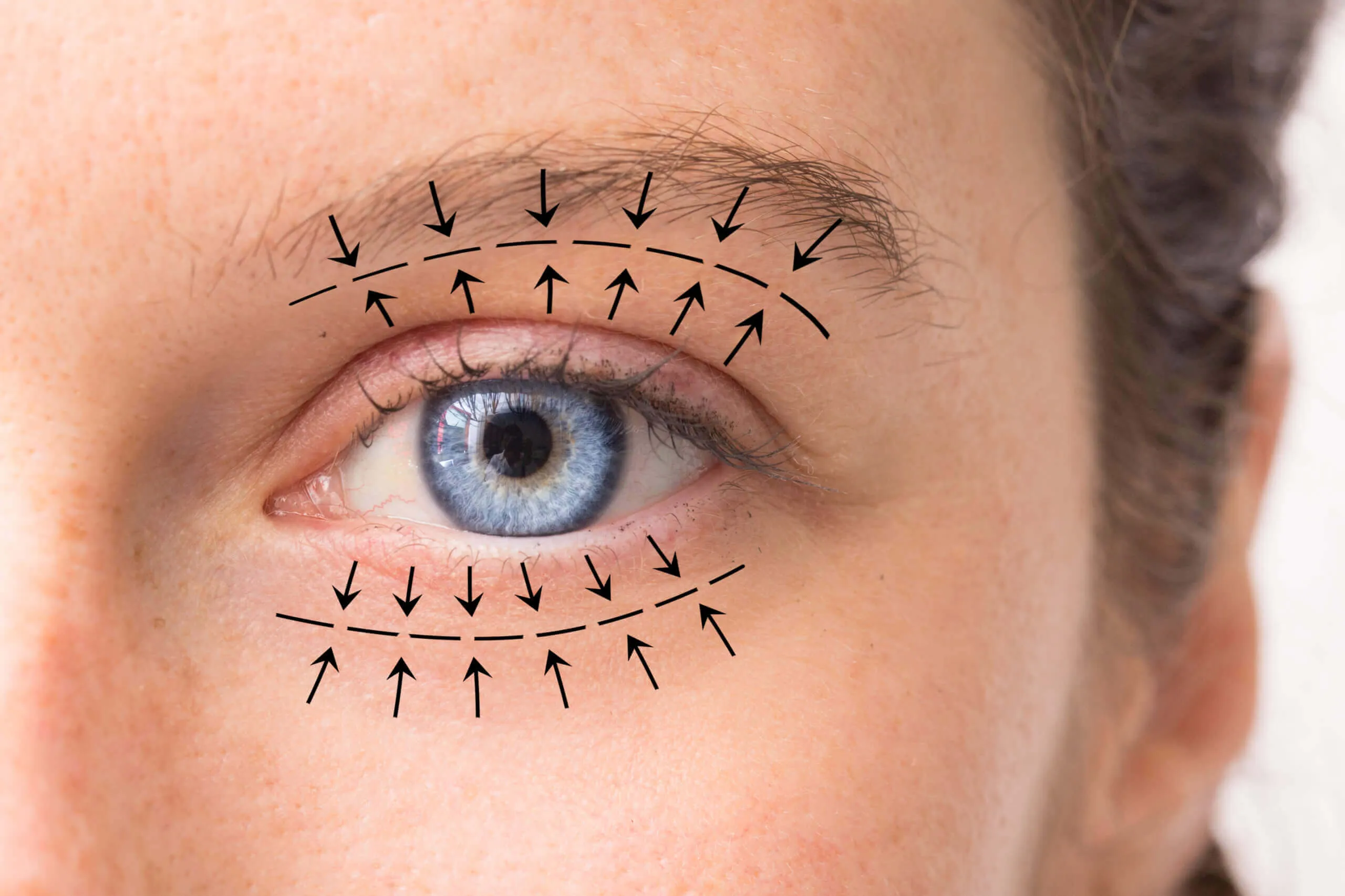
Eye and eyelid surgery (blepharoplasty) is a group of procedures that remove or reposition excess skin, muscle and fat around the eyes to reduce hooded upper lids and under-eye bags. It helps healthy adults whose eyes look persistently tired or heavy despite good sleep and skincare, and — where drooping upper lids intrude on sight — it may also improve the field of view. Invisicana coordinates your eye and eyelid care end to end with accredited, Ministry of Health–authorised partner hospitals in Türkiye, from free photo assessment through surgery to aftercare, with transparent all-inclusive packages and an honest view of what each option involves.
Procedures in this area
Each procedure explains what is involved, who it may suit, recovery and a balanced view of benefits and risks. A clinician confirms suitability after a personal assessment.
Upper Eyelid Surgery
Upper eyelid surgery, also called upper blepharoplasty, is an operation that removes excess skin — and sometimes small amounts of fat or muscle — from the upper eyelids.
Lower Eyelid Surgery
Lower eyelid surgery (lower blepharoplasty) is an operation that removes or repositions excess fat and tightens loose skin beneath the eyes to smooth under-eye bags and puffiness.
Brow Lift
A brow lift (also called a forehead lift) is a surgical procedure that raises a drooping or heavy brow and smooths deep forehead lines, giving the upper face a more open, rested appearance.
Vision Correction (LASIK / SMILE)
Is this treatment right for you?
Suitable for: healthy adults bothered by hooded upper lids, under-eye bags or a persistently tired look around the eyes that rest and skincare have not improved.
Less ideal if: you have an active eye problem such as untreated dry eye, an eye infection or thyroid eye disease, unmanaged health conditions, or expect surgery to remove crow's feet, dark circles or fine lines.
Suitability can only be confirmed by a qualified clinician after assessing you, which is why every plan begins with a free, personalised review rather than a fixed promise.
Benefits & risks
A balanced view matters more than a sales pitch. Weigh both sides and discuss them with a clinician before deciding.
Potential benefits
- Reduces hooded upper lids and under-eye bags for a more rested, refreshed appearance
- Where heavy upper lids restrict the field of view, surgery may help you see more comfortably
- Incisions sit within the natural creases of the lids, so scars are usually discreet once healed
- Upper and lower eyelid surgery can often be combined in one operation and one trip
- Results are generally long-lasting, although the eye area continues to age naturally
Risks & considerations
- Infection, bleeding or delayed wound healing
- Bruising, swelling and temporarily dry, watery or irritated eyes
- Visible scarring, asymmetry or changes to eyelid position, occasionally needing revision surgery
- Numbness or altered sensation around the lids, usually temporary
- Temporary blurred or double vision, and very rarely more serious problems affecting sight
- Anaesthetic and sedation risks
Am I a candidate?
- You are in good general health and your eyes are healthy, with no active infection or untreated eye condition
- You are bothered by hooded upper lids, under-eye bags or excess eyelid skin
- You do not smoke, or are willing to stop before and after surgery as advised
- You have realistic expectations about what eyelid surgery can and cannot change
Only a qualified clinician can confirm suitability after a personal assessment.
Process & recovery
Eyelid surgery is usually a day-case procedure performed under local anaesthetic with sedation, or a general anaesthetic for combined or lower-lid operations, and typically takes one to two hours. Fine incisions are hidden in the natural creases of the lids, and any stitches are usually removed after about a week. Bruising and swelling are most obvious in the first week and settle over two to three weeks, with most people back at desk-based work within one to two weeks. Risks include infection, bleeding, dry or watery eyes, visible scarring, asymmetry, changes to eyelid position and, rarely, problems affecting vision, alongside anaesthetic risks — all discussed openly before you decide.
Choosing between the procedures
Eye and eyelid surgery covers a small family of procedures, and the right one depends on what is actually creating the tired look you want to change. Upper eyelid surgery removes excess skin and fat that hood the upper lid — and where heavy lids intrude on your field of view, it may help you see more comfortably. Lower eyelid surgery addresses under-eye bags, puffiness and loose skin beneath the eye. If the real culprit is a low or heavy brow pressing down on the lids, a brow lift — sometimes performed alongside eyelid surgery — may be the more honest recommendation. Because these areas overlap, an assessment by the treating surgeon matters: what looks like excess eyelid skin is sometimes a descended brow, and treating the wrong area gives a disappointing result.
| Procedure | Targets | Typical downtime |
|---|---|---|
| Upper eyelid surgery | Hooded, heavy upper lids and excess skin | Around one to two weeks before desk-based work |
| Lower eyelid surgery | Under-eye bags, puffiness and loose lower-lid skin | Around one to two weeks, with bruising fading over several weeks |
| Combined upper and lower | Both hooding and under-eye bags in one operation | Around two weeks |
| Brow lift | A low or heavy brow that weighs on the upper lids | Around two weeks |
These downtimes are general guides only — healing varies from person to person, and the treating surgeon will set realistic timelines for your specific plan.
How your care is coordinated
Invisicana is a facilitator, not a hospital: we coordinate your eye and eyelid surgery rather than perform it, and we are open about that. Your journey starts with a free photo assessment, which the treating surgeon uses to advise honestly whether eyelid surgery is appropriate for you, which procedure or combination fits your goals, and what it can realistically achieve. Surgery takes place at accredited, Ministry of Health–authorised partner hospitals in Türkiye, with anaesthetic and nursing teams on site and an interpreter available at every appointment. Transfers, accommodation and post-operative checks are arranged as part of a transparent, all-inclusive package, and a free, no-obligation personalised treatment plan and quote are provided before you commit to anything.
Recovery and aftercare in general terms
Eyelid procedures share a broadly similar recovery arc. Expect swelling, bruising and a tight, sore feeling around the eyes for the first week, often with some temporary dryness, watering or sensitivity to light. Cold compresses, sleeping with your head slightly elevated and any prescribed drops or ointment help in the early days, and stitches are usually removed within about a week. Most people feel comfortable in public within one to two weeks, though eye makeup and contact lenses are generally paused until the treating surgeon advises otherwise. The fine scars sit within the natural creases of the lids and typically fade well over the following months. Before you fly home, the treating surgeon reviews your healing, and after your return to the UK the aftercare team stays in touch remotely as your final result settles over three to six months.
What eyelid surgery can and cannot change
Honest expectations matter with any facial surgery. Eyelid surgery is well suited to reducing hooded lids, excess skin and under-eye bags, but it does not remove crow’s feet, lift the brow or midface, or erase dark circles caused by skin pigmentation rather than shadowing. Fine lines and skin quality are often better addressed with non-surgical options, and a persistently heavy brow may respond better to a brow lift. If a different treatment — or no treatment at all — is more appropriate for your goals, that is exactly what the treating surgeon will tell you at assessment.
Before & after
Frequently asked questions
What is the difference between upper and lower eyelid surgery? +
Upper eyelid surgery removes excess skin and fat that hood the upper lid and can make the eyes look heavy or tired, while lower eyelid surgery addresses under-eye bags and puffiness. The two are often combined in a single operation where appropriate. A free photo assessment lets the treating surgeon advise which eyelid surgery, or combination, fits your goals.
Who carries out my treatment? +
Your eye and eyelid surgery is carried out by experienced surgeons at accredited, Ministry of Health–authorised partner hospitals in Türkiye. Invisicana coordinates your care as a facilitator and stays with you throughout, from first assessment to aftercare.
Is eyelid surgery painful? +
Eyelid surgery is performed under local anaesthetic with sedation or a general anaesthetic, so you will not feel anything during the procedure itself. Afterwards, the eyes typically feel tight, sore and swollen for a few days, which is usually well controlled with prescribed pain relief and cold compresses. Discomfort varies from person to person.
How long do I need to stay in Türkiye for eyelid surgery? +
Most eyelid surgery patients stay in Türkiye for around five to seven days, covering the day-case procedure, initial recovery and a final check before travelling. Combined or more extensive operations may need a little longer. Your personalised treatment plan confirms the exact timing for your procedure.
When can I fly home after eyelid surgery? +
Flying home is typically possible around five to seven days after eyelid surgery, once the treating surgeon has checked your healing and any stitches have been removed. Eyes can feel dry in cabin air, so lubricating drops are often recommended for the journey. Your personalised plan confirms the exact timing for your case.
How long does eyelid surgery last? +
The results of eyelid surgery are generally long-lasting, because the removed skin and fat do not come back, although the eye area continues to age naturally. Many people find the improvement lasts for years. If ageing changes return later, a brow lift or non-surgical skin treatments may be discussed.
When will I see my eyelid surgery results? +
Bruising and swelling after eyelid surgery are most noticeable in the first week or two and settle over several weeks. A clear improvement is usually visible within about a month, and the final result typically emerges over three to six months as the fine scars soften and fade into the natural creases.
How do I get a quote? +
Share a few photos and details of your goals for a free, no-obligation eye and eyelid surgery assessment. We respond with honest advice informed by the treating surgeon and a clear, all-inclusive personalised quote, with no pressure to proceed.