
 Facial Aesthetics
  Body Contouring
  Skin Rejuvenation
  Eye & Eyelid Surgery
  Mummy Makeover
  Obesity Treatment
  Dental Aesthetics
  Hair Transplant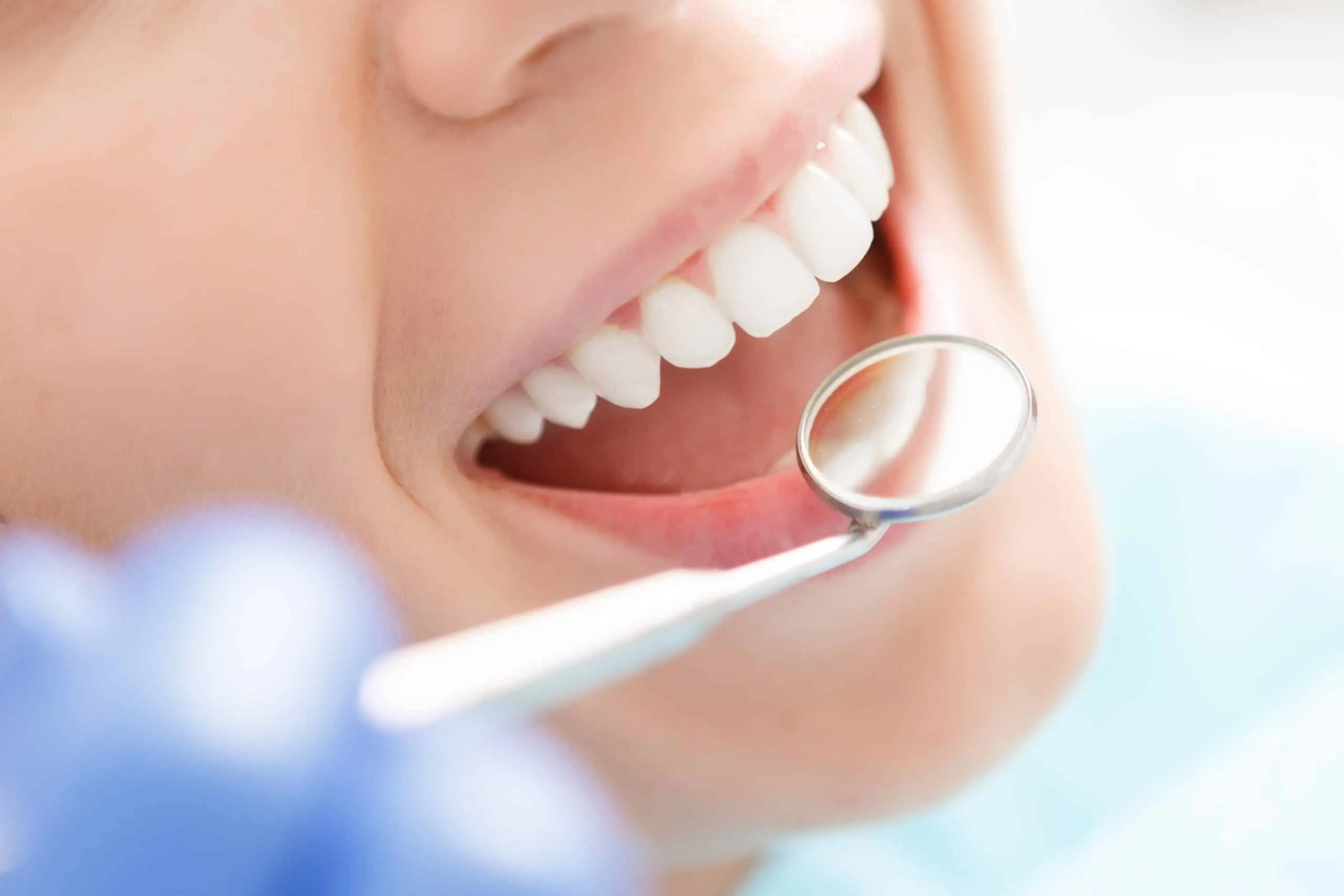
Professional teeth whitening is a dental treatment that lightens the natural colour of the teeth using a controlled, peroxide-based gel applied by or under the supervision of a dentist. It suits adults whose teeth have yellowed with age or become stained by tea, coffee, red wine or smoking, and it is typically more effective and more predictable than over-the-counter kits. Because a dental check comes first, problems such as decay or gum disease are found and treated before whitening goes ahead.
Is this treatment right for you?
Suitable for: adults with healthy teeth and gums whose natural teeth have yellowed with age or picked up surface staining from food, drink or tobacco.
Less ideal if: you have untreated decay or gum disease, you are pregnant or breastfeeding, you are under 18, or your discolouration comes from crowns, veneers, fillings or deep internal staining that whitening cannot change.
Suitability can only be confirmed by a qualified clinician after assessing you, which is why every plan begins with a free, personalised review rather than a fixed promise.
Benefits & risks
A balanced view matters more than a sales pitch. Weigh both sides and discuss them with a clinician before deciding.
Potential benefits
- Lightens the natural colour of the teeth, often by several shades, in a short visit
- Non-invasive — no drilling, injections or removal of enamel is involved
- A dental examination comes first, so decay or gum problems are treated before whitening
- Custom home trays can extend the result and make top-ups easy after you return home
- Typically more controlled and more effective than over-the-counter whitening products
- Straightforward to combine with other dental treatment planned during the same trip
Risks & considerations
- Temporary sensitivity to hot, cold or sweet food and drink, usually settling within a few days
- Gum irritation or, rarely, chemical burns where the gel contacts the gums
- Uneven or patchy results, particularly around existing white spots or banding in the enamel
- Crowns, veneers and fillings do not lighten and may stand out against whitened teeth
- The shade relapses gradually over time and top-up treatments are often needed
- Overuse of whitening products can harm the enamel and leave teeth looking translucent
Am I a candidate?
- Your natural teeth have yellowed with age or are stained by tea, coffee, red wine or tobacco
- Your teeth and gums are healthy, or any decay and gum disease can be treated first
- You are an adult and are not currently pregnant or breastfeeding
- You have realistic expectations — whitening lightens natural teeth but cannot change crowns, veneers or fillings
- You are willing to moderate staining food, drink and smoking to help the result last
Only a qualified clinician can confirm suitability after a personal assessment.
Process & recovery
In-chair teeth whitening is carried out while you are awake and needs no anaesthetic: the gums are shielded with a protective barrier, a peroxide-based gel is applied to the teeth and sometimes activated with a special light or laser, and the visit typically lasts around an hour. Custom-made home trays may be provided to continue or maintain the whitening over the following weeks. Temporary sensitivity to hot and cold is common for a few days afterwards, and gum irritation, patchy or uneven shading and gradual relapse of the colour can occur; existing crowns, veneers and fillings do not lighten.
What is professional teeth whitening?
Professional teeth whitening is a dental treatment that lightens the natural colour of the teeth using a carefully controlled peroxide-based gel. Over the years, enamel picks up staining from tea, coffee, red wine, strongly coloured foods and tobacco, while the dentine beneath it naturally darkens with age. Rather than simply polishing away surface deposits, whitening works by breaking down the stain molecules within the tooth itself, which is why it can lift discolouration that a hygiene visit alone cannot.
Unlike whitening toothpastes and over-the-counter strips, which are limited in strength, dentist-supervised whitening uses professional-grade products applied after a full examination. That matters for both effectiveness and comfort: the dentist first checks for decay, gum disease, cracked teeth and leaking fillings, all of which can make whitening uncomfortable or unpredictable if left untreated. It is also important to know that whitening changes only natural enamel — crowns, veneers and fillings keep their existing colour, so the sequence of treatment is planned carefully whenever whitening is combined with other dental work.
How teeth whitening works
Assessment and shade matching
Treatment begins with a dental examination and a record of your current tooth shade, so there is an honest baseline to measure the change against. Any decay, gum inflammation or sensitive areas are dealt with first, and a scale and polish is often carried out so the gel works on clean enamel rather than surface deposits.
In-chair and home-tray whitening
Two approaches are commonly used, on their own or in combination:
| In-chair whitening | Home-tray whitening | |
|---|---|---|
| Where | At the dental clinic, under supervision | At home, using custom-made trays |
| Speed | A visible change in a single visit | Gradual, typically over two to four weeks |
| Gel strength | Higher concentration, professionally applied | Lower concentration, self-applied |
| Typical role | A faster result while you are in Türkiye | Extending and maintaining the result at home |
For in-chair whitening, the gums and lips are shielded with a protective barrier before the gel is applied to the teeth. Some systems use a special light or laser during the session; the visit typically lasts around an hour and no anaesthetic is needed. Where home trays are provided, the dental team shows you how much gel to use and for how long, because overfilled trays are a common cause of gum irritation.
Recovery: what to expect
Teeth whitening involves no surgery, so recovery is short — but there is still a settling-in period:
| Stage | What is typical |
|---|---|
| First 48 hours | Twinges of sensitivity to hot and cold; strongly coloured food and drink are avoided while the enamel is most porous; mild gum irritation settles |
| First 1–2 weeks | The shade settles as the teeth rehydrate; sensitivity fades; normal eating and drinking resume, ideally in moderation |
| 1–3 months | The colour is stable; home trays may be used as directed for gentle top-ups |
| Longer term | Gradual relapse depending on diet and smoking; occasional top-ups and regular hygiene visits help maintain the result |
Sensitivity that worsens rather than settles, persistent gum soreness or white patches on the gums should be reported to the dental team promptly.
Results and longevity
Most people see their teeth lighten by several shades, although the outcome varies from person to person. Yellowish, age-related discolouration generally responds well; grey tones and staining linked to certain antibiotics taken in childhood lighten less predictably, and whitening cannot change the colour of crowns, veneers or fillings. Where restorations would no longer match, or where the shape of the teeth is also a concern, alternatives such as a Hollywood Smile may be more appropriate — the treating dentist will explain the honest trade-offs of each.
Results typically last from several months to a few years. Diet, smoking and oral hygiene make the biggest difference, and top-up treatments — usually with home trays — help maintain the shade. More whitening is not always better: overusing products can harm the enamel and leave teeth looking translucent, which is why professional guidance on frequency matters.
Having teeth whitening in Türkiye
As a medical travel facilitator, we coordinate teeth whitening at accredited, Ministry of Health–authorised partner hospitals and dental centres in Türkiye. Before you travel, your dental photographs and history are reviewed so the treating dentist can advise whether whitening is genuinely suitable for your teeth — and whether it should be sequenced with any other treatment — before you receive a free, no-obligation personalised plan.
Packages are all-inclusive and transparent, typically covering treatment, hotel accommodation, airport and clinic transfers, and an English-speaking patient coordinator who supports you at every appointment. Because whitening is usually completed in a single short visit, many patients combine it with a check-up, hygiene treatment or other dental work in one trip, and the team remains available by message and photo review once you are back in the UK — see your patient journey for how a typical visit is organised.
This page is for general information and is not a substitute for personalised dental advice; suitability can only be confirmed after an individual assessment.
Before & after
Frequently asked questions
How long does teeth whitening last? +
The results of professional teeth whitening typically last from several months to a few years, although this varies from person to person. Tea, coffee, red wine, strongly coloured foods and tobacco all cause the shade to relapse more quickly. Occasional top-ups with custom home trays help maintain the effect for longer.
Is teeth whitening safe? +
When carried out by a qualified dental professional after a proper examination, teeth whitening is generally considered a low-risk treatment. Temporary sensitivity and mild gum irritation are the most common side effects and usually settle within a few days. Unregulated kits and non-dental providers carry higher risks, which is why a dental check always comes first.
Will whitening change the colour of crowns or veneers? +
No — teeth whitening only lightens natural tooth enamel, so existing crowns, veneers and fillings keep their original colour. If restorations end up looking darker than your whitened teeth, they may need replacing to match the new shade. The treating dentist plans the order of treatment carefully when whitening is combined with other dental work.
Is teeth whitening painful? +
Teeth whitening is not normally painful and no anaesthetic is needed. Some people notice short-lived twinges of sensitivity during or after treatment, particularly with hot or cold food and drink. This usually settles within a few days and can be eased with a sensitivity toothpaste recommended by the treating dentist.
How long do I need to stay in Türkiye for teeth whitening? +
In-chair teeth whitening is typically completed in a single visit, so a stay of one to three days is usually enough. Many patients schedule it alongside other dental treatment during the same trip, which may change the overall timings. Your free personalised plan confirms the exact schedule for your case.
When can I fly home after teeth whitening? +
There is no medical restriction on flying after teeth whitening, so most people can fly home the same day or the day after treatment. You will simply be advised to avoid strongly coloured food and drink for the first couple of days while the shade settles. Your personalised plan sets out any specific aftercare for your journey home.
When will I see results from teeth whitening? +
The change is usually visible immediately after an in-chair teeth whitening session, with the final shade settling over the following days as the teeth rehydrate. Home-tray whitening works more gradually, typically over two to four weeks of regular use. Individual results vary depending on the type and depth of the staining.
How white will my teeth go? +
The outcome of teeth whitening depends on your starting shade and the cause of the discolouration: yellowish, age-related staining generally responds well, while grey tones and staining linked to certain antibiotics lighten less predictably. Whitening brightens your own natural shade rather than producing a uniform pure white. The treating dentist can discuss a realistic target shade at your assessment.