
 Facial Aesthetics
  Body Contouring
  Skin Rejuvenation
  Eye & Eyelid Surgery
  Mummy Makeover
  Obesity Treatment
  Dental Aesthetics
  Hair Transplant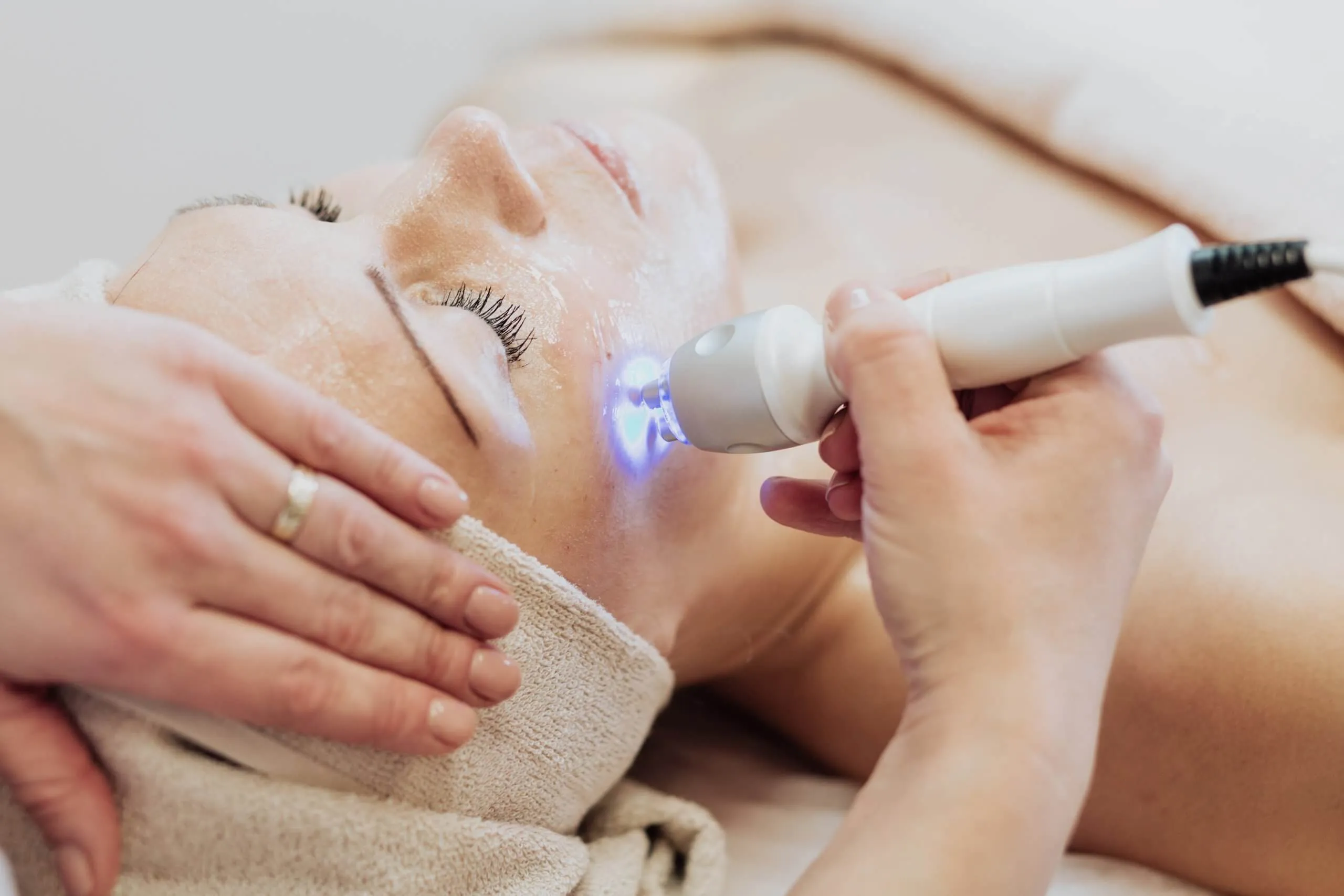
Laser skin resurfacing is a treatment that uses focused beams of light to remove or heat the outer layers of the skin in a controlled way, prompting fresh skin and new collagen to form as it heals. It can soften fine lines, acne scarring, sun damage and uneven pigmentation, and appeals to people who want smoother, firmer-looking skin without surgery. Ablative, non-ablative and fractional lasers offer different balances of downtime and depth, so treatment is tailored to your skin type and goals.
Is this treatment right for you?
Suitable for: adults in good general health with fine lines, acne or surgical scarring, sun damage, pigmentation or uneven skin texture they would like to improve.
Less ideal if: you have active acne or a skin infection in the treatment area, a history of keloid scarring, have recently taken oral isotretinoin, are pregnant, or your main concern is sagging that may respond better to surgery.
Suitability can only be confirmed by a qualified clinician after assessing you, which is why every plan begins with a free, personalised review rather than a fixed promise.
Benefits & risks
A balanced view matters more than a sales pitch. Weigh both sides and discuss them with a clinician before deciding.
Potential benefits
- Softens fine lines and wrinkles, particularly around the eyes and mouth
- Improves the appearance of acne scars and some surgical scars
- Evens out sun damage, age spots and patchy pigmentation
- Stimulates new collagen, so texture and firmness often continue improving for months
- Depth and coverage are personalised, from a gentle refresh to deeper resurfacing
- Fractional settings can shorten downtime compared with traditional full-surface treatment
Risks & considerations
- Prolonged redness that can take weeks, occasionally months, to fade after deeper treatments
- Pigmentation changes - darkening or lightening of the treated skin, which can be long-lasting
- Infection during healing, including reactivation of cold sores around the mouth
- Milia, acne flare-ups or increased skin sensitivity while the new skin matures
- Swelling, oozing and crusting in the early healing phase of ablative resurfacing
- Scarring, which is uncommon but possible, particularly after aggressive ablative treatment
Am I a candidate?
- You have fine lines, acne scarring, sun damage or uneven pigmentation you would like to soften
- Your concerns are about skin quality rather than significant sagging, which may suit surgery better
- You do not have active acne, infection or a healing disorder in the area to be treated
- You can commit to strict sun avoidance and high-SPF protection before and after treatment
- You have realistic expectations - resurfacing improves skin quality but does not stop ageing
Only a qualified clinician can confirm suitability after a personal assessment.
Process & recovery
Laser skin resurfacing is an outpatient treatment performed under topical or local anaesthetic, sometimes with light sedation for deeper ablative work, and a session typically takes between thirty minutes and two hours depending on the area treated. Lighter fractional and non-ablative sessions cause redness and mild swelling for a few days, while deeper ablative resurfacing involves raw, peeling skin for a week or more and pinkness that can persist for several weeks. Results build gradually as collagen remodels over the following months. Risks include prolonged redness, infection, cold sore reactivation, pigmentation changes, milia or acne flare-ups and, rarely, scarring.
What is laser skin resurfacing?
Laser skin resurfacing is a skin-renewal treatment that uses focused beams of light to remove or heat the outer layers of the skin with a high degree of control. As the treated area heals, it is replaced by fresher, smoother skin, while the heat delivered to the deeper layers stimulates the production of new collagen — the protein that gives skin much of its firmness and elasticity.
It is used to soften fine lines and wrinkles, especially around the eyes and mouth, to improve acne scars and some surgical scars, and to even out sun damage, age spots and patchy pigmentation. Many people also notice a general improvement in texture and radiance. Resurfacing sits between lighter treatments such as a chemical peel and surgery: it changes skin quality rather than lifting tissue, so significant sagging in the lower face or neck may respond better to a facelift.
How laser skin resurfacing works
Consultation and planning
Treatment starts with a detailed skin assessment. The treating specialist considers your skin type and tone, the concerns you want to address, and your medical history — including cold sores, a tendency to keloid scarring and recent use of medication such as isotretinoin. Based on this, they recommend a laser type, depth and coverage, and may prescribe a skin-priming routine, strict sun avoidance and preventive antiviral tablets where relevant.
The treatment session
On the day, the skin is cleansed and numbed with anaesthetic cream; deeper ablative treatments are usually carried out under local anaesthetic, sometimes with light sedation. The laser is then passed over the skin in controlled passes, with cooling built into most modern devices. A session typically takes between thirty minutes and two hours depending on the area, after which the skin is protected with soothing ointment or dressings and detailed aftercare instructions are given.
Ablative, non-ablative and fractional lasers
| Aspect | Ablative lasers | Non-ablative lasers |
|---|---|---|
| What they do | Remove the outer skin layer and heat the deeper layers | Heat the deeper layers without removing the surface |
| Typical downtime | Around one to two weeks of peeling, with longer-lasting redness | Usually minimal — a day or two of redness |
| Typical course | Often a single, deeper session | Usually several sessions spaced weeks apart |
Fractional delivery is a pattern rather than a separate laser: it treats the skin in microscopic columns, leaving intact skin between them to speed healing. Both ablative and non-ablative lasers can be used fractionally, which is why downtime varies so widely between treatments that share the same name.
Recovery: what to expect
- First 48 hours — the skin feels hot, tight and tender, much like sunburn; redness and swelling are expected, and deeper treatments may weep or ooze while the surface begins to heal.
- First 1–2 weeks — peeling and flaking as old skin lifts away; deeper ablative areas crust before revealing new, pink skin. Gentle cleansing, prescribed ointments and strict sun avoidance are essential during this stage.
- 1–3 months — pinkness gradually fades, texture smooths and early improvements become visible; makeup can usually be worn once the surface has fully healed, and high-SPF sunscreen is non-negotiable.
- Longer term — collagen remodelling continues for several months, so firmness and line-softening often keep improving well after the skin looks recovered.
Spreading redness, increasing pain, fever or unusual discharge should be reported promptly, as early treatment of infection protects the final result.
Results and longevity
Laser skin resurfacing produces gradual rather than instant change: most people see the fuller result at around three to six months, once new collagen has formed. Lines typically look softer, scars less noticeable and pigmentation more even, though the degree of improvement varies from person to person and no treatment can restore skin to how it looked decades earlier.
Improvements in scarring and texture are generally long-lasting. Ageing and sun exposure continue, however, so consistent sun protection is the single most important way to preserve the outcome, and some people choose occasional maintenance sessions or combine resurfacing with other skin treatments over time.
Having laser skin resurfacing in Türkiye
As a medical travel facilitator, we coordinate laser skin resurfacing at accredited, Ministry of Health–authorised partner hospitals and clinics in Türkiye. Your photographs and medical history are reviewed in advance so the treating specialist can confirm which laser approach suits your skin — or recommend an alternative where resurfacing is not the right choice — before you receive a free, no-obligation personalised treatment plan.
Packages are all-inclusive and transparent, typically covering treatment, hotel accommodation, airport and clinic transfers, and an English-speaking patient coordinator who stays with you at appointments. For deeper treatments, early healing is checked before you fly home; see your patient journey for how a typical visit runs. After you return to the UK, the team remains available for photo reviews and aftercare advice while your skin completes its recovery.
This page is for general information and is not a substitute for personalised medical advice; suitability can only be confirmed after an individual assessment.
Before & after
Frequently asked questions
Is laser skin resurfacing suitable for all skin types? +
Not every laser suits every skin type. Darker skin tones carry a higher risk of pigmentation changes with some resurfacing lasers, so the treating specialist selects the device, depth and settings to match your skin after a careful assessment. In some cases an alternative such as a chemical peel or mesotherapy may be recommended instead, which is discussed openly in your free treatment plan.
How much downtime does laser skin resurfacing need? +
Downtime after laser skin resurfacing varies with the depth of treatment. Non-ablative sessions often cause only a day or two of redness, fractional treatments typically bring a few days of redness and light peeling, and deeper ablative resurfacing involves raw, peeling skin for a week or more with pinkness that can linger for several weeks. The treating specialist explains what your chosen setting is likely to mean for work and social plans.
How many laser skin resurfacing sessions will I need? +
Deeper ablative laser skin resurfacing is often carried out as a single session, while non-ablative and lighter fractional treatments usually work well as a course of several sessions spaced weeks apart. The number depends on your skin concern, the laser used and how your skin responds. A recommended course is set out in your personalised plan before you travel.
Is laser skin resurfacing painful? +
Laser skin resurfacing is performed under topical or local anaesthetic, sometimes with light sedation for deeper treatments, so discomfort during the session is usually well controlled - many people describe a warm, prickling sensation. Afterwards the skin often feels hot and tender, rather like sunburn, for a few days. Cooling, moisturisers and simple pain relief typically manage this, though comfort varies from person to person.
When will I see results from laser skin resurfacing? +
Early improvements from laser skin resurfacing usually show once redness and peeling settle, often within one to two weeks for lighter treatments. The fuller result develops gradually over about three to six months as new collagen forms and the skin remodels. Deeper treatments tend to produce more noticeable change but take longer to settle completely.
How long do the results of laser skin resurfacing last? +
Improvements in scarring and texture from laser skin resurfacing are generally long-lasting, and softened lines and pigmentation can remain visibly better for years. The treatment does not stop the ageing process, so new lines and sun damage can still develop over time. Diligent sun protection helps preserve the result, and some people choose occasional maintenance sessions.
How long do I need to stay in Türkiye for laser skin resurfacing? +
A stay of around three to seven days is typical for laser skin resurfacing in Türkiye, depending on the depth of treatment - lighter sessions need less time, while deeper ablative resurfacing allows the team to review early healing before you leave. Your free personalised plan confirms the exact schedule for your case.
When can I fly home after laser skin resurfacing? +
After lighter laser skin resurfacing you can typically fly home within a day or two, while deeper ablative treatment may mean waiting several days until the treating specialist has checked that the skin is healing well. Flying itself does not harm the treated skin, though cabin air is dry, so regular moisturising is advised. Your personalised plan sets out the recommended departure date.